Why Does Moss From the Roof End Up in the Gutter?
Clean out a blocked gutter on a mossy house and much of what comes out is not leaves but moss, clumps and fragments of the same green growth that covers the roof above. It is no coincidence. The gutter sits at the bottom of the roof, and the roof, when mossy, is constantly shedding material downward. The moss on the tiles and the moss in the gutter are the same problem in two places. Understanding this connection explains why gutters on mossy roofs block so persistently, and why the two jobs are linked.
This guide explains why moss from the roof ends up in the gutter, and how breaking that link keeps gutters clearer.
Rain and Wind Loosen the Moss
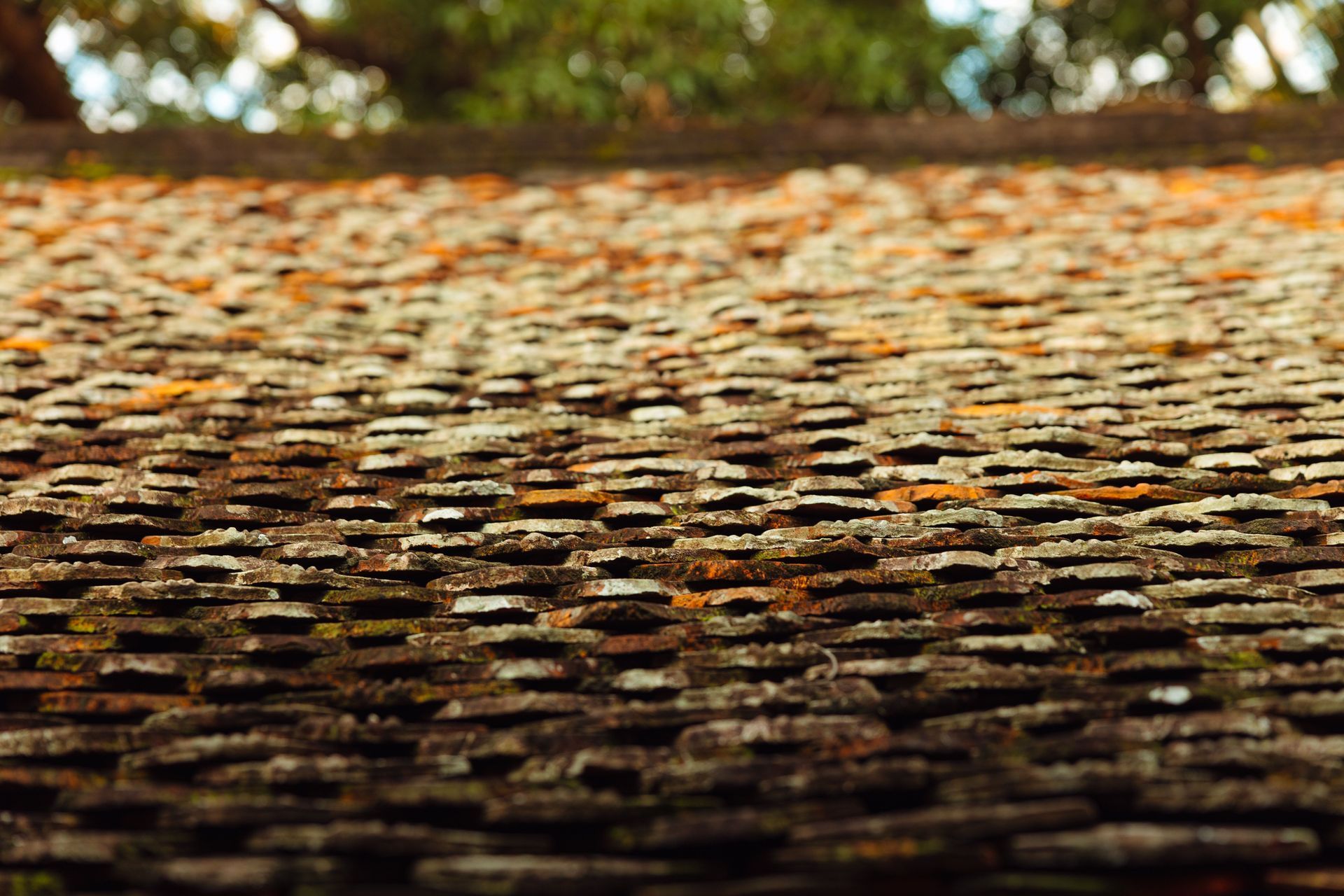
Moss growing on roof tiles is not permanently fixed in place. Rain washes over it, wind buffets it, and freeze-thaw cycles disturb it, all of which loosen fragments from the main growth. Moss holds moisture and can become heavy, and clumps break away from the tiles, especially as the growth thickens and ages or after cleaning disturbs it.
Once loosened, these fragments are free to move. Every shower washes over the roof, and the water picks up the loosened moss and carries it down the slope. Wind also dislodges and moves lighter fragments. So a mossy roof is continually producing loose moss debris, which is the raw material that ends up in the gutter. The more moss on the roof, the more debris it sheds. Regular Roof Cleaning reduces the moss that produces this debris in the first place.
Gravity and Water Carry It to the Gutter
Where does the loosened moss go? Downward, to the gutter, because that is where gravity and running water take everything on a roof. The roof is a slope designed to shed water to its lowest edge, and anything the water carries, moss fragments included, travels the same path to the same destination: the gutter.
So the gutter is the natural collection point for roof moss debris. As rain runs down the tiles to the gutter, it carries the loosened moss with it, depositing it in the channel where the water slows. The gutter catches the moss just as it catches the water, which is exactly what it is positioned to do. This is why a mossy roof and blocked gutters go together: the roof sheds the moss, and the gutter collects it. Clearing the
Gutter Cleaning removes this deposited moss before it blocks the flow.
Tip: If your gutters keep filling with moss rather than leaves, the source is your roof, not the trees. Persistently mossy gutter contents are a sign the roof itself needs attention. Dealing with the roof moss reduces the debris feeding the gutters, so tackling both together is more effective than repeatedly clearing gutters while the roof keeps refilling them.
Why It Happens Year-Round
Leaves are a seasonal problem, arriving mainly in autumn, but roof moss feeds the gutters year-round. Because moss grows and sheds continually, a mossy roof supplies its gutters with debris in every season, not just when the leaves fall. This is an important difference: even a property with no nearby trees can have persistently blocking gutters if the roof is mossy.
This year-round shedding is why moss-fed gutters can block even between the autumn leaf falls that people associate with gutter problems. The roof is a constant source, topping up the gutter with moss debris through spring, summer, and winter alike. It also means that clearing the gutters without addressing the roof is a temporary fix, the roof simply refills them. Recognising the roof as a continual source is key to keeping the gutters clear for longer. In our 15 years on Sussex roofs and gutters, moss-laden gutters are a reliable sign of a mossy roof above.
Breaking the Link
Because the roof feeds the gutters, the most effective way to keep gutters clear on a mossy house is to address both together. Clearing the roof of moss removes the continual source of debris, and applying a biocide slows the moss returning, so the roof sheds far less into the gutters going forward. Clearing the gutters then removes what has already collected. Together, these break the cycle of a mossy roof endlessly refilling its gutters.
Doing the two as connected jobs is more effective and often more efficient than treating them separately. On many roof cleans, a gutter clean is included afterwards precisely because the roof work loosens moss that needs clearing from the gutters. Maintaining the roof and gutters together keeps both clear for longer and stops the roof quietly undoing the gutter clearing. This connection is why roof and gutter maintenance are so often planned as one.
Moss from the roof ends up in the gutter because rain and wind loosen fragments of moss from the tiles, and gravity and running water carry them down the slope into the channel at the roof's edge. A mossy roof continually sheds this debris, so it feeds its own gutters year-round. This links roof and gutter maintenance: clearing the roof moss reduces what blocks the gutters.
Frequently Asked Questions
Why is there moss in my gutters and not just leaves?
Because the roof above is mossy and continually sheds fragments into the gutters. Rain and wind loosen moss from the tiles, and running water carries it down the slope into the channel. So moss-filled gutters are a direct sign of a mossy roof. Unlike leaves, which are seasonal, roof moss feeds the gutters year-round, which is why gutters can fill with moss even on a property without many trees.
Does a mossy roof always mean blocked gutters?
It strongly tends toward it. A mossy roof continually produces loose moss debris that washes down into the gutters, feeding blockages year-round. The more moss on the roof, the more it sheds. So while other factors like trees also fill gutters, a mossy roof is a persistent source of gutter debris, and gutters on mossy houses block more readily and more often than those on clear roofs.
Will clearing the gutters stop the moss problem?
Only temporarily, if the roof is left mossy. Clearing the gutters removes what has collected, but the mossy roof keeps shedding more debris, refilling them over time. To keep gutters clear for longer, the roof moss needs addressing too, clearing the roof and applying a biocide reduces the continual source. Clearing gutters alone treats the symptom; dealing with the roof as well tackles the source.
How does roof moss get from the tiles into the gutter?
Rain, wind, and freeze-thaw loosen fragments of moss from the tiles, and gravity and running water then carry them down the slope to the gutter at the roof's edge. The roof is designed to shed water to its lowest point, and it carries the loosened moss along the same path. The gutter, positioned to catch the water, catches the moss too, which is why it collects there.
Should I clean the roof and gutters together?
Yes, it is more effective. Because the roof feeds the gutters, clearing the roof moss removes the continual source of gutter debris, while clearing the gutters removes what has already collected. Doing both together breaks the cycle of a mossy roof refilling its gutters. On many roof cleans a gutter clean is included afterwards, since the roof work loosens moss that needs clearing from the gutters, making them natural companion jobs.
Break the moss cycle — Book a roof clean and gutter clear-out together to stop your roof refilling the gutters. Ben's Roof Cleaning maintains roofs and gutters across Cardiff, Wales. Call 0292 002 8124.
Same Problem, Two Places
Why does moss from the roof end up in the gutter? Because the gutter sits at the bottom of the roof, and a mossy roof continually sheds fragments that rain and wind loosen and gravity carries downward to the channel. The moss on the tiles and the moss in the gutter are the same problem in two places, and unlike seasonal leaves, roof moss feeds the gutters all year round. This is why gutters on mossy houses block so persistently, and why clearing them alone is only a temporary fix. Address the roof and the gutters together, clear the moss, slow its return, and remove what has collected, and you break the cycle of a roof endlessly refilling its own gutters.