Lichen on Your Roof and Why It's So Stubborn
You've probably noticed those crusty grey-green patches clinging to your roof, the ones that look almost painted onto the tiles. Scrape at one and you'll find it's stuck fast, far harder to shift than the soft green moss nearby. That stubborn stuff is lichen, and it's one of the toughest things to grow on a Cardiff roof.
If your lichen keeps coming back no matter what you throw at it, you're not doing anything wrong. It's built to hang on. Let's look at what lichen actually is, why our South Wales weather makes it so at home, and how to deal with it without doing your tiles any harm.
The quick answer: Lichen is a tough organism that grips right into the tile surface, which is why it resists simple cleaning and needs a biocide treatment to properly clear.
1. What Lichen Actually Is
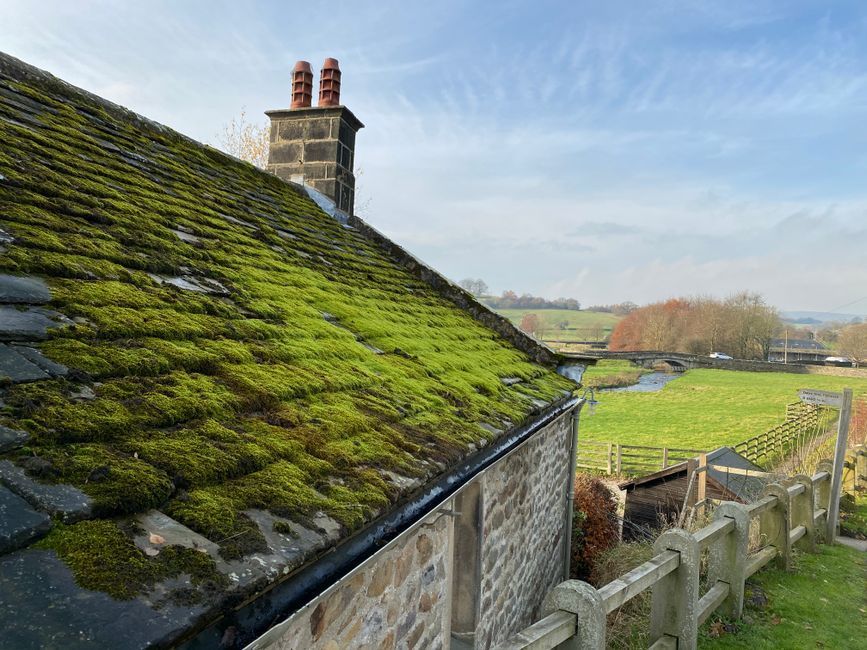
Lichen isn't a single plant. It's a partnership between a fungus and an alga living together, which is part of what makes it so hardy. That combination lets it survive in exposed, harsh spots where most other growth would give up, including the open face of a roof.
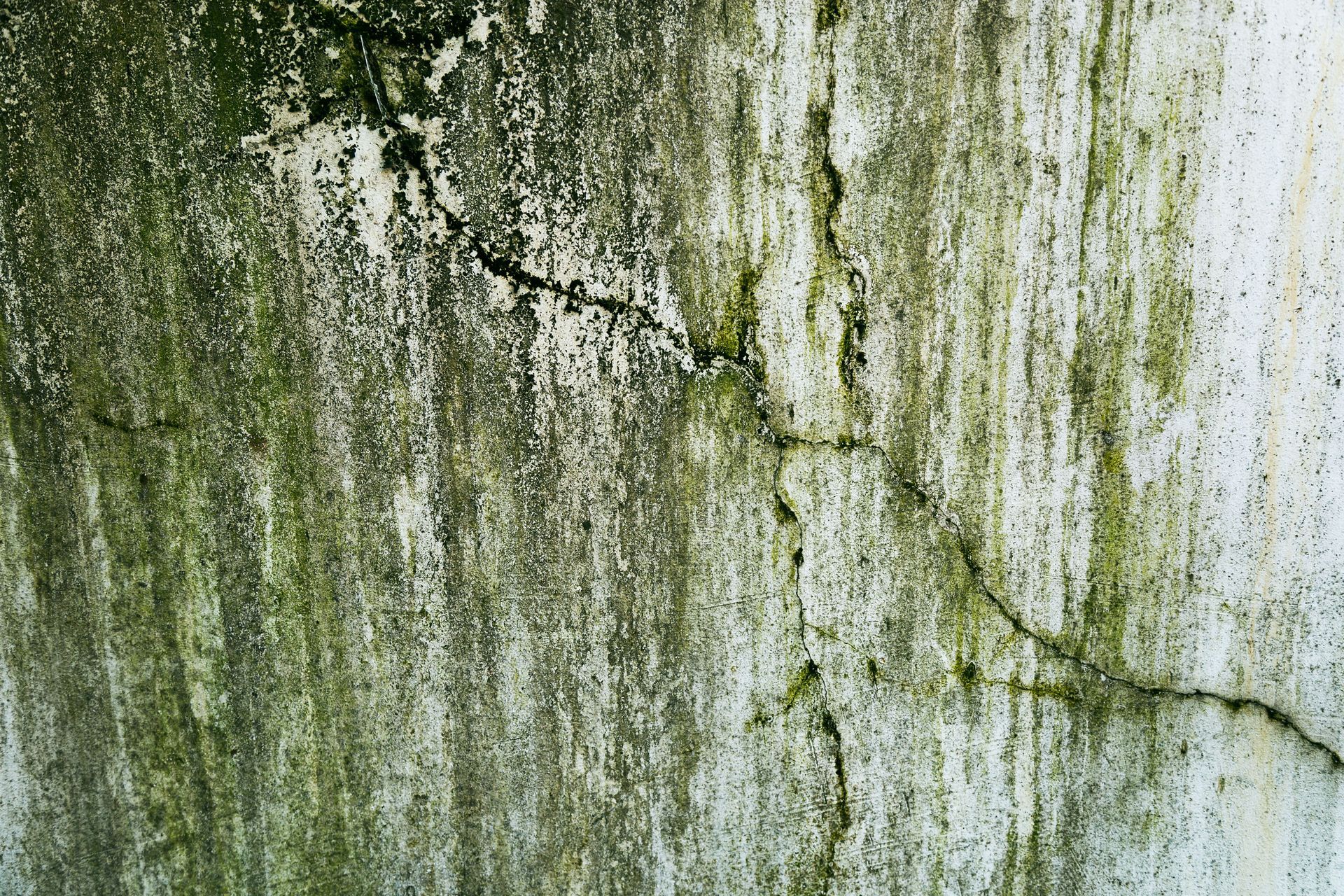
On Cardiff roofs it usually shows as crusty, flattened patches in shades of grey, green, and sometimes a pale yellow. You'll spot it on plenty of the older slate and tiled roofs around the city, from Canton to Cathays, often sitting right alongside moss and algae.
2. Why It Grips So Hard
The reason lichen is such a pain to remove is how it anchors itself. It doesn't just sit on top of the tile like dirt, it grows tiny root-like threads into every pore and crack in the surface, locking itself in place. That's why scraping barely touches it.
On the porous concrete tiles found on so many of Cardiff's interwar homes, there are plenty of tiny openings for it to grab onto. Even on smoother Welsh slate, years of weathering roughen the surface enough to give lichen the grip it needs to settle in.
3. Why Cardiff Roofs Get So Much
Lichen loves clean, damp air, and Cardiff delivers exactly that. The moist air rolling in off the Severn estuary, along with our steady rainfall, keeps roofs damp for much of the year, which is precisely the environment lichen thrives in.
It also prefers spots that don't dry out fast, so north-facing slopes and shaded roofs under trees in areas like Penylan or Llandaff tend to get the worst of it. Once it takes hold in those damp, sheltered positions, it settles in for the long haul.
4. Why Scrubbing and Jet Washing Fail
Plenty of people try to blast lichen off with a pressure washer, and it's easy to see the appeal. The trouble is those root-like threads stay put even when the surface crust comes away, so the lichen simply regrows from what's left behind.
Worse, high pressure aimed at old Cardiff tiles and slate can crack them, strip their weatherproof surface, and force water underneath. You end up risking real damage to the roof while barely making a dent in the lichen itself, which is the worst of both worlds.
5. The Damage Lichen Can Do
Beyond the patchy look, lichen holds moisture against the roof and works its threads into the tile surface, which over many years can wear it down. On older roofs it can also lift the edges of tiles slightly and trap debris, giving moss even more to cling to.
None of this happens overnight, but on the century-old slate roofs you find across Cardiff's Victorian terraces, keeping lichen in check is part of helping a good roof reach its full lifespan rather than ageing before its time.
6. The Right Way to Clear It
The approach that actually works is a soft wash paired with a biocide treatment. The low-pressure wash lifts the bulk of the growth gently, without harming the tiles, and the biocide gets to work killing the lichen right down to those anchored threads.
The real benefit is what happens afterwards. A good biocide keeps working for months, so the lichen dies back over time rather than springing straight back. In Cardiff's damp climate, that lasting action is what keeps a cleared roof looking clear.
- What it is: a tough fungus and alga partnership, not a simple surface stain.
- Why it clings: root-like threads grow into the pores of the tile or slate.
- Why here: Cardiff's damp air and steady rain keep roofs moist year round.
- Worst spots: north-facing and shaded roofs, especially under trees.
- The fix: a soft wash plus a biocide that kills it down to the roots.
Frequently Asked Questions
Why is lichen so much harder to remove than moss?
Because it anchors right into the tile with root-like threads instead of sitting loosely on top. Moss lifts away fairly easily, while lichen holds on and regrows unless it's properly killed off with a biocide.
Can I just scrape the lichen off?
Scraping removes the surface crust but leaves the threads embedded in the tile, so it grows back. It can also scratch or chip the tile, so it's rarely worth the effort on its own.
Is lichen damaging my Cardiff roof?
Slowly, yes. It holds moisture against the surface and works into the tile over years, which can wear it down and let moss and debris build up, so it's better cleared than left.
Why does it grow back so fast here?
Cardiff's damp air and regular rainfall create ideal conditions, especially on shaded slopes. Without a biocide treatment to kill it at the root, lichen simply re-establishes itself in that moist environment.
Will a soft wash really clear it for good?
A soft wash with a biocide clears it and slows its return significantly, but no roof stays lichen-free forever in our climate. Occasional retreatment keeps it under control over the long term.
Struggling with lichen that just won't budge?
Ben's Roof Cleaning offers roof cleaning, moss removal, and gutter cleaning across Cardiff and South Wales, with over 15 years of experience. Get in touch or call 029 2002 8124
for a free, no-obligation quote.
Beating Lichen Takes the Right Approach
Lichen earns its reputation for being stubborn because it's built to survive, gripping into your tiles and shrugging off anything that only tackles the surface. Understand how it clings and you'll see why a gentle soft wash with a biocide is the way to win. Deal with it properly and your Cardiff roof stays clear far longer than any quick scrub could manage.