Those Black Streaks on Your Roof: What the Algae Really Is
You pull onto your street, glance up at the house, and there they are: dark streaks running down the roof like something's been leaking. Your first thought is probably that the tiles are just dirty, or maybe even damaged. In most Cardiff homes, though, what you're actually looking at is alive.
Those black stains are a type of algae, and once you know what they are, keeping them off your roof makes a lot more sense. Let's clear up what that dark streaking really is, why South Wales roofs get so much of it, and what actually shifts it without wrecking your tiles.
The quick answer: Those black streaks are algae, most commonly a hardy type called Gloeocapsa magma, feeding on your roof and thriving in Cardiff's damp, mild climate.
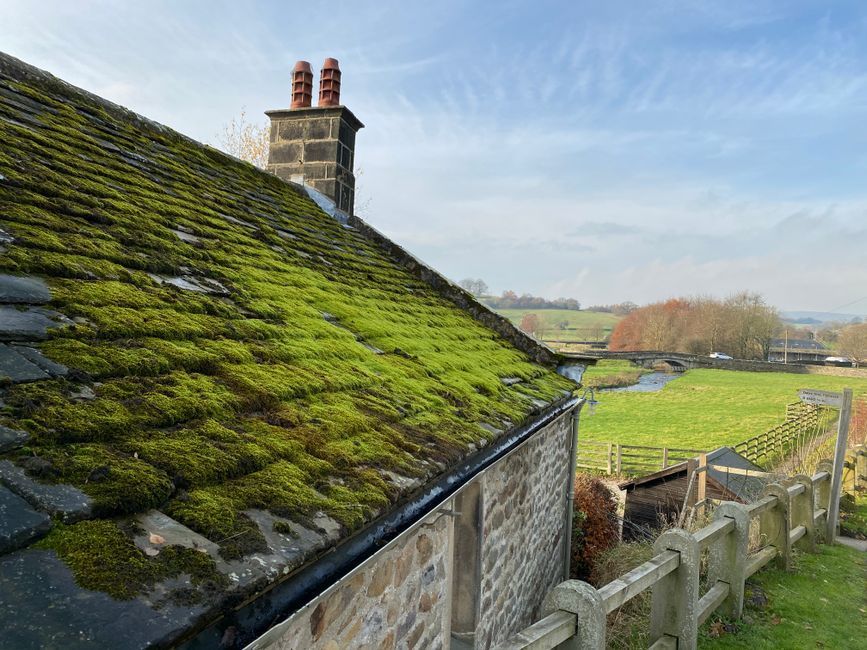
1. It's Algae, Not Dirt
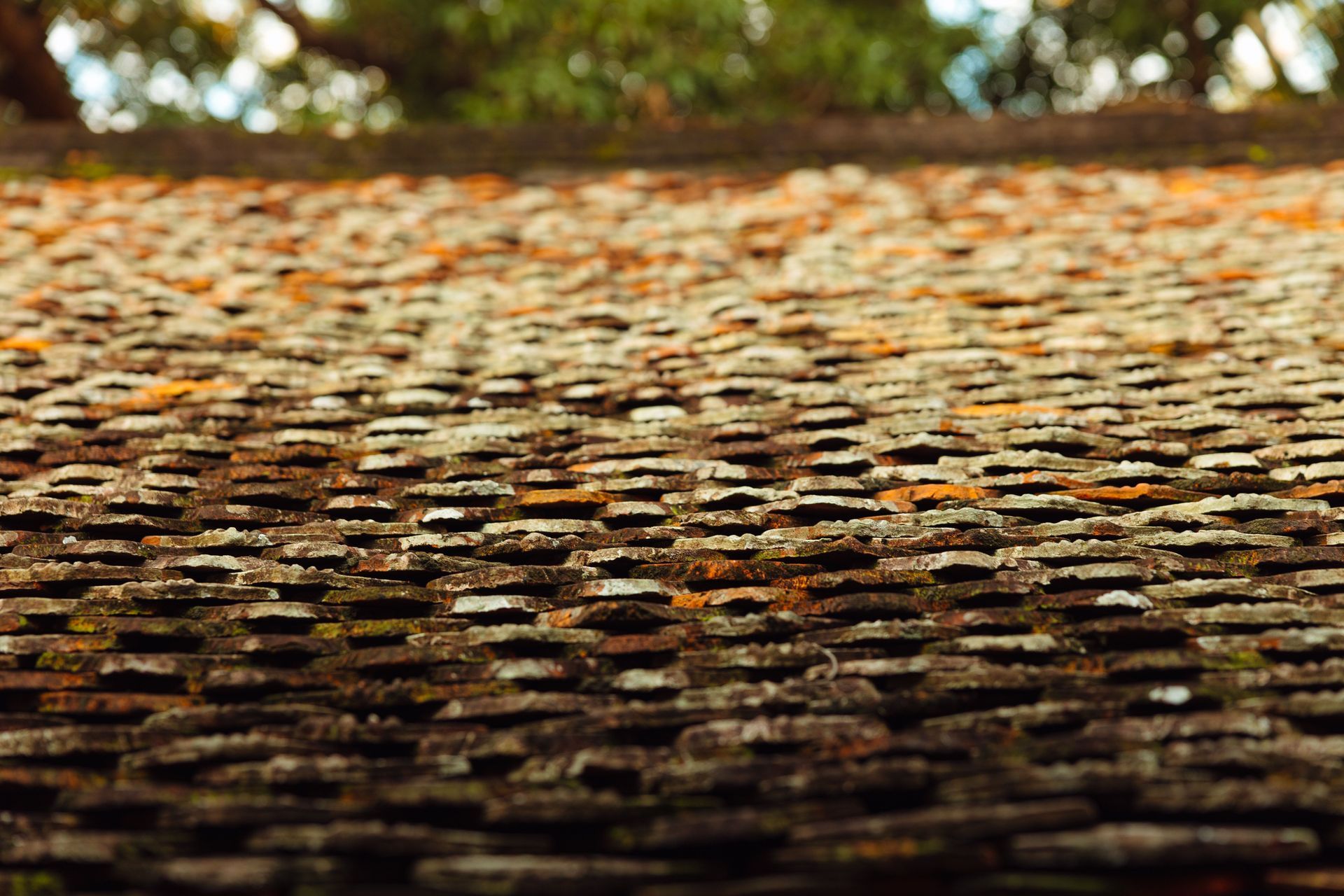
The most common cause of black roof staining is a blue-green algae that spreads across tiles and slate as a dark film. It isn't soot, dirt, or a stain that a bit of rain will rinse away. It's a living organism that's set up home on your roof and is slowly growing across it.
Because it's alive and rooted into the surface, you can't just wash it off like grime. That's a big part of why so many Cardiff homeowners are surprised the streaks keep coming back after a quick blast with a hose. You have to actually kill it, not just shift the surface layer.
2. Why It Loves Cardiff Roofs
Algae needs moisture, mild temperatures, and something to feed on, and Cardiff serves up all three. The damp air off the Severn estuary, our heavy rainfall, and winters that rarely get properly cold make ideal growing conditions almost all year round.
It's especially at home on the north-facing slopes you see all over the city, from the terraces of Splott to the semis of Whitchurch. Those sides stay shaded and damp for longer, so the algae gets the constant moisture it needs to spread and darken.
3. What Feeds the Streaks
This particular algae actually feeds on the roof itself, including the limestone filler in many concrete tiles. That's why you often see it worst on the concrete tiled roofs that went onto so many of Cardiff's interwar and postwar homes.
Airborne spores drift from roof to roof, which is why once one house on a street shows streaks, the neighbours often follow. If you've noticed a few homes near you in Ely or Llanrumney going dark on top, that's the algae spreading down the row.
4. Why Those Streaks Run Downward
There's a reason the stains always run in vertical streaks rather than random blotches. The algae often takes hold near the ridge and, as rain washes down the slope, it carries spores and nutrients with it, spreading the growth in long lines down the tiles.
That downward pattern is a handy clue. If you spot faint grey lines starting to form high up on the roof, that's algae in its early stages. Catching it then, before it darkens into heavy black streaks, makes for a much easier clean later on.
5. The Harm Beyond the Look
It's tempting to write algae off as just an eyesore, but it does more than spoil the look of your home. The dark film holds moisture against the tiles, keeping the surface damp for longer and giving moss and lichen a foothold to move in alongside it.
Over time that constant dampness can wear at the tile surface and shorten its life. On the older roofs common across Cardiff, keeping algae in check is part of protecting a roof that might otherwise last for many more years.
6. Getting Rid of It the Right Way
The safe way to clear algae is a soft wash, which uses low pressure along with a biocide treatment rather than a harsh jet. High-pressure washing might blast off the surface film, but it also risks cracking tiles and stripping slate, and the algae soon returns anyway.
A biocide actually kills the algae at the root and keeps working for months afterwards, slowing regrowth long after the roof looks clean again. On Cardiff's mix of slate and concrete tiles, that gentle approach clears the streaks without putting the roof itself at risk.
- What it is: living algae, commonly Gloeocapsa magma, not dirt or soot.
- Why here: Cardiff's damp air, high rainfall, and mild winters suit it perfectly.
- Worst spots: north-facing slopes and older concrete tiled roofs.
- How it spreads: airborne spores drifting between neighbouring roofs.
- The fix: a soft wash with a biocide that kills it and slows its return.
Frequently Asked Questions
Are the black streaks damaging my roof?
They can be, over time. The algae holds moisture against the tiles and opens the door to moss and lichen, and that ongoing dampness slowly wears the surface, so it's worth dealing with rather than ignoring.
Why do the streaks come back after I clean them?
Usually because only the surface was removed, not the living algae underneath. Without a biocide treatment to kill it off, the growth simply carries on, and Cardiff's damp climate speeds the recovery.
Can I just jet wash the streaks off myself?
It's risky. High pressure can crack tiles, strip slate, and drive water under the coverings, and the algae returns regardless. A low-pressure soft wash is safer and the results last far longer.
Is it worse on one side of the roof?
Very often, yes. North-facing slopes stay shaded and damp for longer, so algae grows heaviest there, which is why one side of a roof can look far darker than the other.
Will my neighbours' roofs affect mine?
They can. The algae spreads by airborne spores, so a heavily streaked roof nearby raises the chance of yours picking it up, which is common along Cardiff's terraced streets.
Tired of looking at black streaks on your roof?
Ben's Roof Cleaning offers roof cleaning, moss removal, and gutter cleaning across Cardiff and South Wales, with over 15 years of experience. Get in touch or call 029 2002 8124
for a free, no-obligation quote.
Know What You're Looking At, Then Deal With It
Those dark streaks aren't dirt and they won't rinse away on their own, because they're a living thing that's made itself at home on your tiles. Understanding that algae is the culprit points you straight to the fix: a gentle soft wash with a biocide that clears the stains and keeps your Cardiff roof looking clean for far longer.