Getting a Cardiff Roof Ready for Winter
Winter is when your roof earns its keep. The wind picks up off the Bristol Channel, the rain settles in for weeks, and the occasional cold snap freezes everything solid overnight. If there's a weak spot up there, this is the season that finds it.
The good news is that a bit of preparation in autumn saves a lot of grief later. You don't need to be a roofer to get your Cardiff home ready. Here's what to sort out before the weather turns, and why each job matters.
The quick answer: Clear the gutters, deal with any moss, check for slipped tiles, and make sure water can drain freely before winter arrives. A roof that starts the wet season clean and clear handles Cardiff's wind and rain far better than one that's already clogged.
1. Clear the gutters before the leaves stop falling
Autumn dumps a season's worth of leaves and moss into your gutters, and Cardiff's tree-heavy streets make it worse. By the time winter proper arrives, that debris has packed down into a soggy dam.
A blocked gutter in December is a real problem. Rain overflows and runs down the walls, and if it freezes it expands and can crack the gutter itself. Clearing them in autumn, once most of the leaves are down, means the water has a clear run all winter. It's the single most useful job on this list.
2. Deal with moss before the frosts come
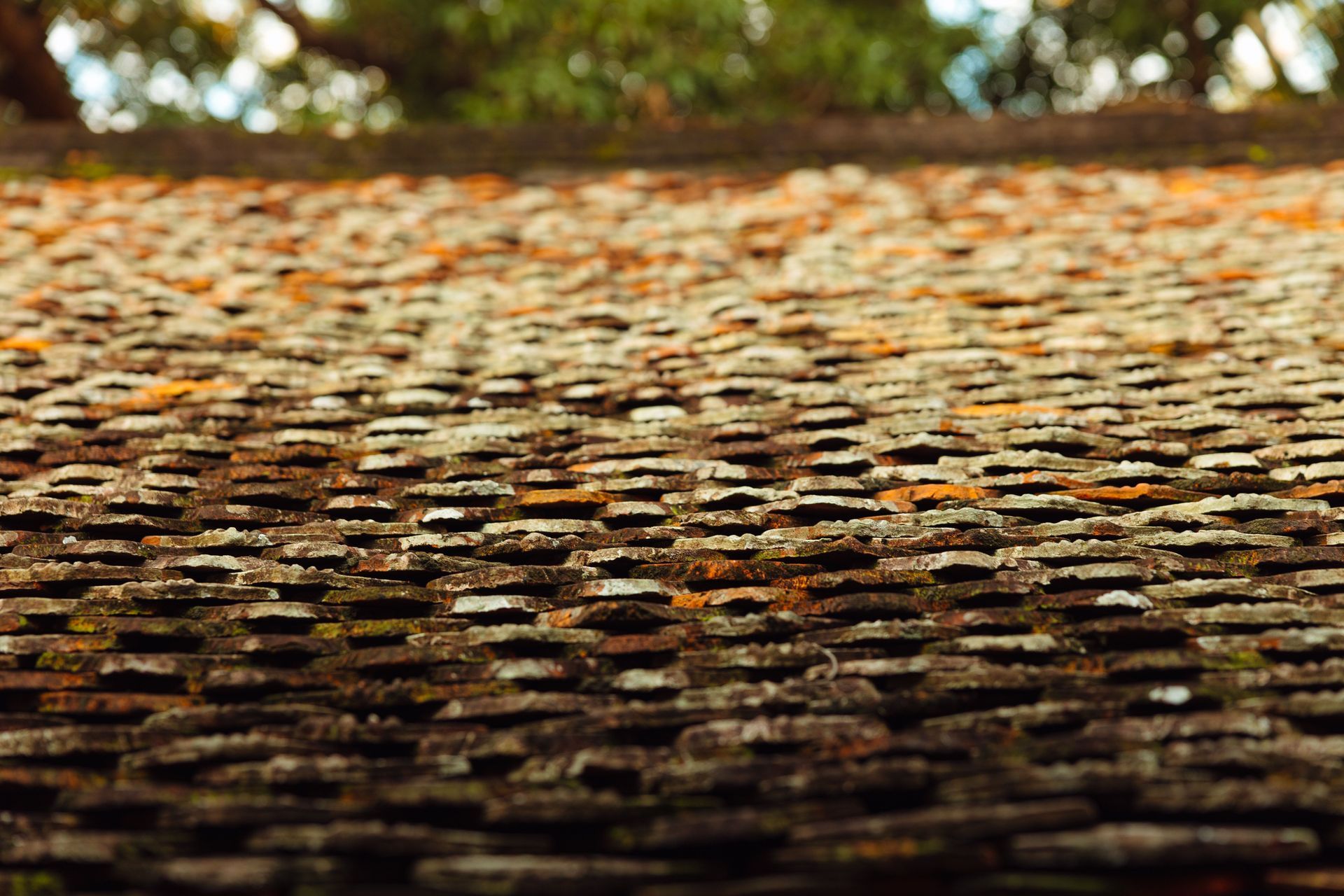
Moss and cold weather are a bad mix. Thick moss holds water against the tiles, and when that water freezes it expands, prying at the edges of slates and tiles. Over a Cardiff winter, freeze after freeze, that's how small cracks become bigger ones.
Getting the roof soft washed in early autumn clears the moss and treats the surface before the first frost. The roof goes into winter dry and clear instead of holding a wet green blanket through every cold night.
3. Check for slipped or missing tiles
Take a look at your roof from the ground, ideally with binoculars, on a calm day. You're looking for tiles or slates that have slipped out of line, gaps where one has gone missing, or anything sitting at an odd angle.
A single missing slate is a small job in October and a much bigger one in January, when water has been pouring through the gap for months. Cardiff's winter gales off the Channel will find any loose slate and finish the job, so it's worth spotting them early.
4. Look at the flashings and mortar
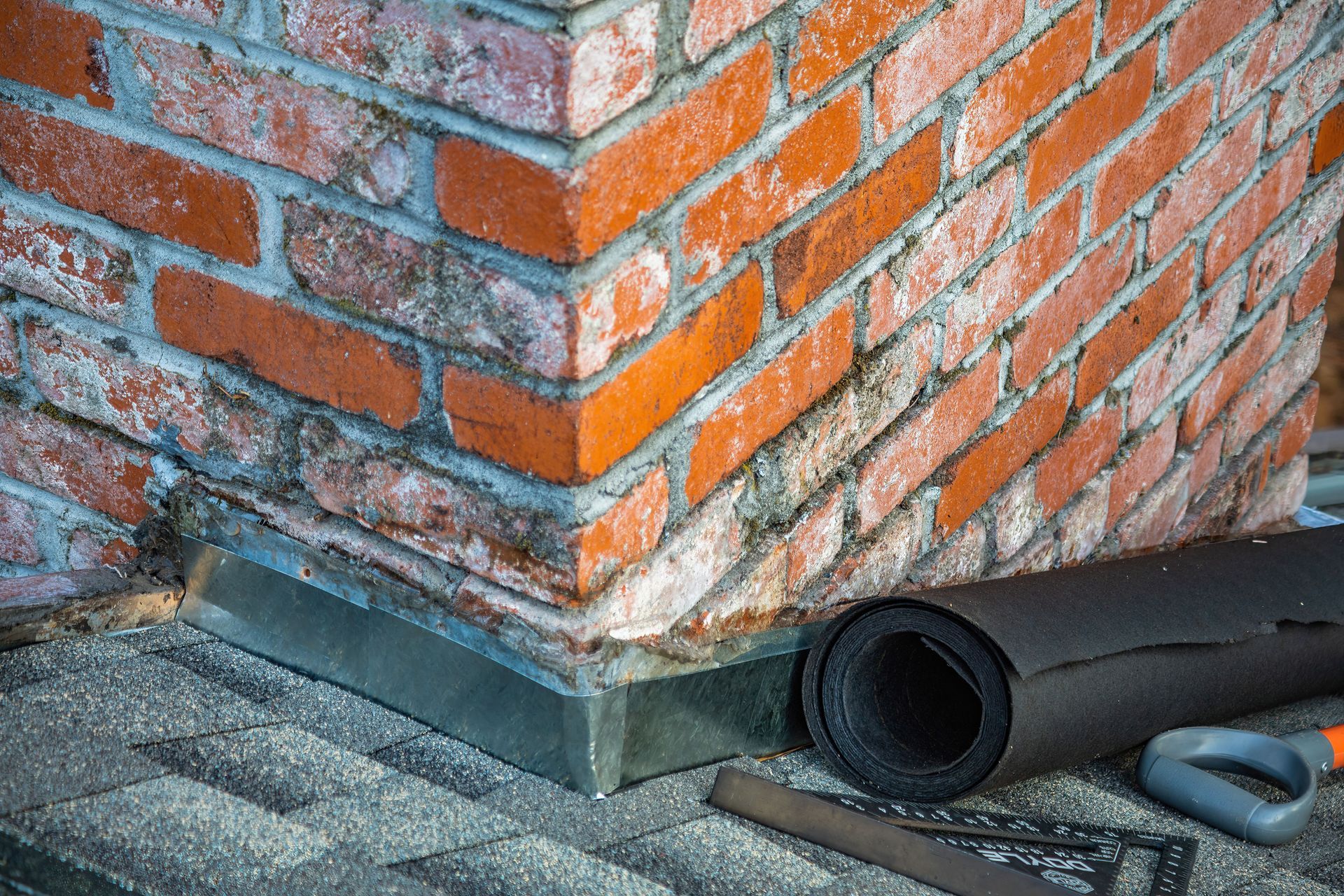
The lead flashings around your chimney and the mortar along the ridge are common weak points on older Cardiff homes. Cracked mortar and lifted flashing let water in, and winter is when they get tested hardest.
From the ground you can often spot obvious problems: a strip of flashing flapping loose, or gaps opening along the ridge line. These are jobs for a roofer, but knowing they're there before winter means you can get them fixed while the weather still allows it.
5. Make sure the loft is dry and ventilated
Your loft is an early warning system. Before winter, check it on a dry day for damp patches, staining or a musty smell, and make sure the vents aren't blocked by insulation or debris.
Good airflow up there stops condensation building and keeps the timbers dry. A damp loft going into winter only gets worse as the cold sets in. Sorting ventilation and spotting leaks now is far easier than dealing with a soaked ceiling in the new year.
6. Book the work early, not in a storm
Everyone calls a roofer after the first big storm, which is exactly when they're hardest to get. The sensible move is to get the cleaning and any small repairs done in autumn, before the rush.
Here's a simple autumn checklist to work through:
- Gutters cleared of leaves and moss, with water draining freely.
- Moss treated and cleared off the tiles before the frosts.
- Tiles and slates checked for slips, gaps and damage.
- Flashings and ridge mortar given a look for cracks and lifting.
- Loft inspected for damp, leaks and blocked vents.
Frequently Asked Questions
When's the best time to get my roof ready for winter?
Early to mid autumn, once most leaves are down but before the first frosts. That timing clears the debris and beats the storm-season rush for tradespeople.
Do I really need to clear the gutters every year?
In Cardiff, usually yes, especially near trees. A single autumn clear-out prevents most winter overflow and damp problems. It's cheap insurance.
Can moss really damage my roof in winter?
Yes. It traps water that freezes and expands in the cold, working at the edges of tiles and slates. Clearing it before winter avoids that freeze-thaw damage.
Is it safe to check my own roof?
Checking from the ground with binoculars is fine and useful. Going up a ladder onto a wet or icy roof is not. Leave the height work to someone equipped for it.
What if I find a problem too late in the year?
Get it looked at anyway. A temporary fix can hold through winter until a proper repair is possible. Ignoring it lets a small leak cause months of damage.
Want your roof sorted before the wet season?
Ben's Roof Cleaning cleans roofs and clears gutters across Cardiff and South Wales, with over 15 years of experience. Get in touch or call 029 2002 8124
for a free, no-obligation quote.
A little autumn effort buys a dry winter
Cardiff winters aren't kind to a neglected roof. The rain is relentless, the wind is strong, and the odd freeze turns trapped water into a wedge. But a roof that goes into the season clean, clear and checked over takes all of that in its stride. Spend an afternoon on the checklist this autumn, or get someone in to do it for you, and you'll spend the winter thinking about anything other than your roof. That's the whole point.